Chief Economist's Note Group Chief Economist Neil Shearing gives his weekly take on the big issues in the global economy and highlights key analysis and events from Capital Economics Chief Economist's Note China Shock 2.0: Introducing our new series on the global economy China’s dominance of large swathes of global manufacturing will be one of the defining forces shaping the world economy over the coming decade. Over the next few weeks, Capital Economics will publish... 8th September 2026 Chief Economist's Note The bond market isn’t panicking – it’s repricing for a riskier world Global government bond markets have come under renewed pressure in recent weeks, with yields on thirty-year bonds touching their highest levels since 2007 in several major economies. This is not yet a... 24th August 2026 Chief Economist's Note This time has been different: How Europe weathered this energy shock At the start of the Iran war in February there was a natural tendency to look to the last global energy shock, which followed Russia’s invasion of Ukraine in 2022, for a blueprint for what might... 17th August 2026 Chief Economist's Note The weak yen's lesson for policymakers far beyond Japan The cacophony surrounding a recent US-Japan intervention to shore up the yen has focused largely on what it says about the international monetary system. Less attention has been paid to the domestic... 10th August 2026 Chief Economist's Note Warsh shows why quality trumps quantity in central bank communications If last week’s press appearance was meant to be a demonstration of Kevin Warsh’s intent on scaling back the Federal Reserve’s communications and the role of policymakers in shaping market expectations... 3rd August 2026 Chief Economist's Note Central banks on pause for now but policy divergence is coming The Iran war has presented central banks with a familiar problem. Higher oil prices amount to a classic stagflationary supply shock: they push inflation up while weighing on growth, particularly in... 27th July 2026 Chief Economist's Note AI now a key driver of growth in both the US and China Last week saw a flurry of macro developments including the renewed closure of the Strait of Hormuz, a series of speeches from Fed officials and the first signs of the UK government’s new economic team... 20th July 2026 Chief Economist's Note Thinking through central banks’ next moves Thinking through central banks’ next moves Meetings of the world’s major central banks over the past two weeks have produced a range of responses to the inflation shock brought on by the conflict in... 22nd June 2026 Chief Economist's Note A fragile deal – but one that reduces the risk of adverse scenarios It remains to be seen whether the deal with Iran announced Sunday by President Trump represents a fragile truce or a durable settlement, but it nonetheless reduces the risk of more adverse macro and... 15th June 2026 Chief Economist's Note Another China shock, but with higher stakes and fewer answers They say sequels are rarely as compelling as the original. That is not the prevailing view in Brussels, where I spent last week and where discussion was dominated by "China Shock 2.0" – the prospect... 8th June 2026 Chief Economist's Note A still-closed Strait means the adverse scenario is now weeks, not months away At the start of the war in Iran, we outlined two scenarios for how the conflict might evolve and how the global economy would be affected. In our baseline scenario, we assumed that the conflict would... 18th May 2026 Chief Economist's Note Xi-Trump summit to offer much ceremony but little substance as decoupling continues There's a good chance that this week's meeting between Donald Trump and Xi Jinping in Beijing will generate far more attention than substance. The optics of the leaders of the world's two biggest... 11th May 2026 Chief Economist's Note The economics of price shocks – and lessons from 2022 Client visits in New York last week offered a timely, if expensive, reminder of how inflation affects economies. Before the pandemic, a beer in a Midtown bar would cost $10; now you would be lucky to... 5th May 2026 Chief Economist's Note Global imbalances: Back in focus, but in a different world While financial markets have swung on the apparent de-escalation and re-escalation of the Iran war, the bigger structural story is quietly reasserting itself: global imbalances are back, and were a... 21st April 2026 Chief Economist's Note The Iran rift and the Atlantic reality – why its allies remain tied to the US One certainty of the Iran war is that its consequences will reverberate far beyond the regional conflict. A question that repeatedly comes up in conversations with clients surrounds the geopolitical... 16th April 2026 Chief Economist's Note Talks end without deal; US announces naval blockade The breakdown in talks between the US and Iran does not necessarily signal the end of efforts to resolve the conflict but the introduction of a US naval blockade on Iranian shipments transiting the... 13th April 2026 Pagination Current page 1 Page 2 Page 3 Page 4 Page 5 Page 6 Page 7 Page 8 Page 9 … Next
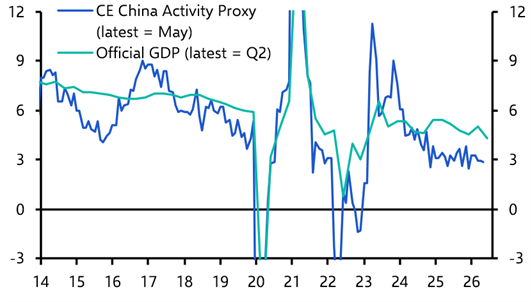
Chief Economist's Note China Shock 2.0: Introducing our new series on the global economy China’s dominance of large swathes of global manufacturing will be one of the defining forces shaping the world economy over the coming decade. Over the next few weeks, Capital Economics will publish... 8th September 2026
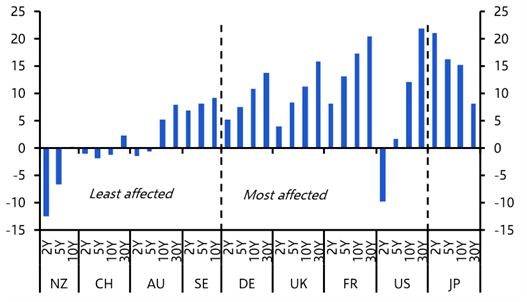
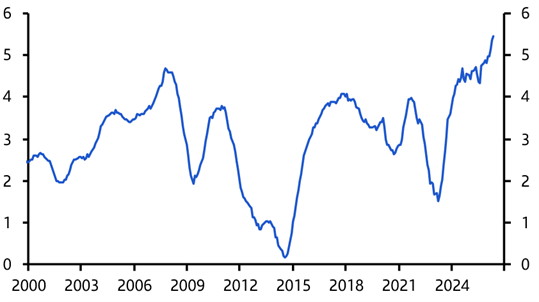
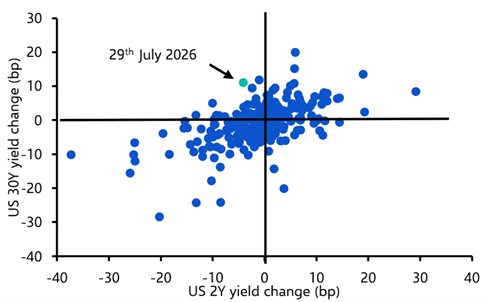
Chief Economist's Note The bond market isn’t panicking – it’s repricing for a riskier world Global government bond markets have come under renewed pressure in recent weeks, with yields on thirty-year bonds touching their highest levels since 2007 in several major economies. This is not yet a... 24th August 2026
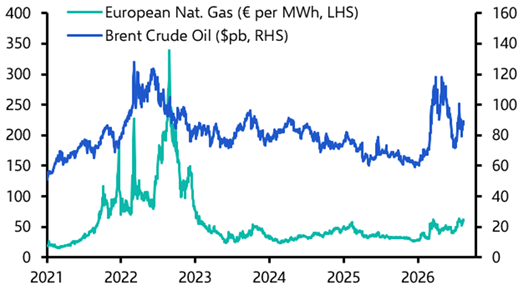
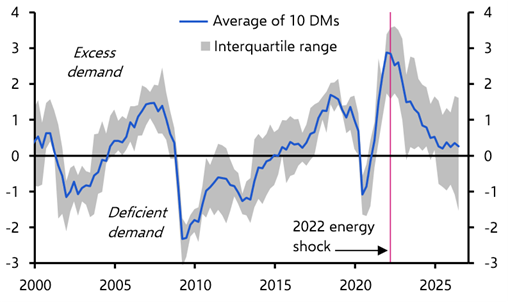
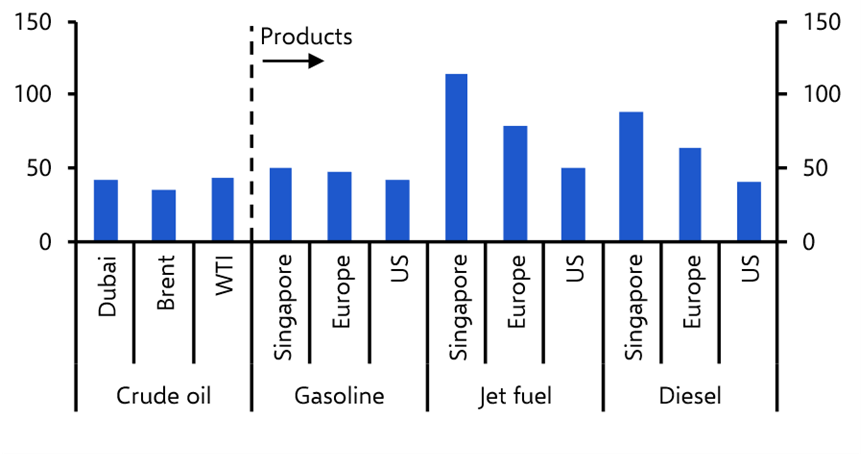
Chief Economist's Note This time has been different: How Europe weathered this energy shock At the start of the Iran war in February there was a natural tendency to look to the last global energy shock, which followed Russia’s invasion of Ukraine in 2022, for a blueprint for what might... 17th August 2026
Chief Economist's Note The weak yen's lesson for policymakers far beyond Japan The cacophony surrounding a recent US-Japan intervention to shore up the yen has focused largely on what it says about the international monetary system. Less attention has been paid to the domestic... 10th August 2026
Chief Economist's Note Warsh shows why quality trumps quantity in central bank communications If last week’s press appearance was meant to be a demonstration of Kevin Warsh’s intent on scaling back the Federal Reserve’s communications and the role of policymakers in shaping market expectations... 3rd August 2026
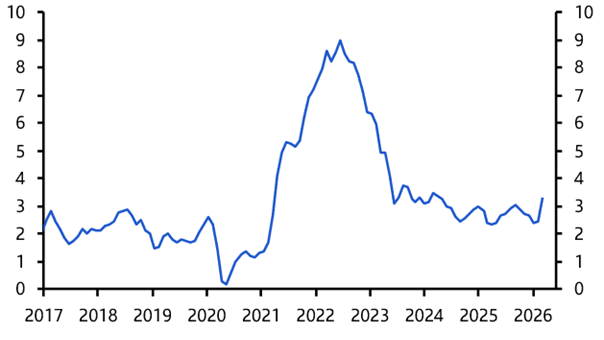
Chief Economist's Note Central banks on pause for now but policy divergence is coming The Iran war has presented central banks with a familiar problem. Higher oil prices amount to a classic stagflationary supply shock: they push inflation up while weighing on growth, particularly in... 27th July 2026
Chief Economist's Note AI now a key driver of growth in both the US and China Last week saw a flurry of macro developments including the renewed closure of the Strait of Hormuz, a series of speeches from Fed officials and the first signs of the UK government’s new economic team... 20th July 2026
Chief Economist's Note Thinking through central banks’ next moves Thinking through central banks’ next moves Meetings of the world’s major central banks over the past two weeks have produced a range of responses to the inflation shock brought on by the conflict in... 22nd June 2026
Chief Economist's Note A fragile deal – but one that reduces the risk of adverse scenarios It remains to be seen whether the deal with Iran announced Sunday by President Trump represents a fragile truce or a durable settlement, but it nonetheless reduces the risk of more adverse macro and... 15th June 2026
Chief Economist's Note Another China shock, but with higher stakes and fewer answers They say sequels are rarely as compelling as the original. That is not the prevailing view in Brussels, where I spent last week and where discussion was dominated by "China Shock 2.0" – the prospect... 8th June 2026
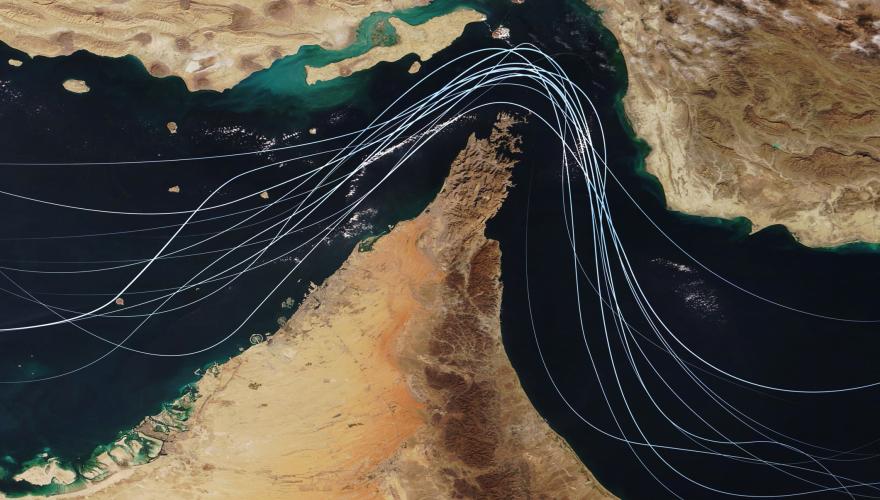
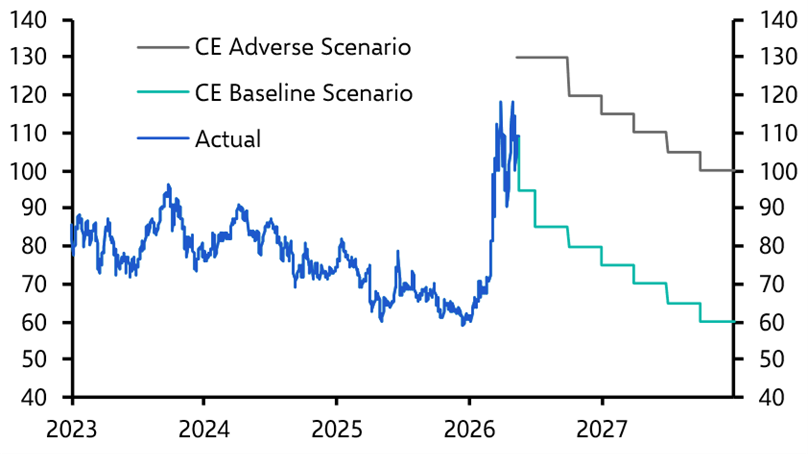
Chief Economist's Note A still-closed Strait means the adverse scenario is now weeks, not months away At the start of the war in Iran, we outlined two scenarios for how the conflict might evolve and how the global economy would be affected. In our baseline scenario, we assumed that the conflict would... 18th May 2026
Chief Economist's Note Xi-Trump summit to offer much ceremony but little substance as decoupling continues There's a good chance that this week's meeting between Donald Trump and Xi Jinping in Beijing will generate far more attention than substance. The optics of the leaders of the world's two biggest... 11th May 2026
Chief Economist's Note The economics of price shocks – and lessons from 2022 Client visits in New York last week offered a timely, if expensive, reminder of how inflation affects economies. Before the pandemic, a beer in a Midtown bar would cost $10; now you would be lucky to... 5th May 2026
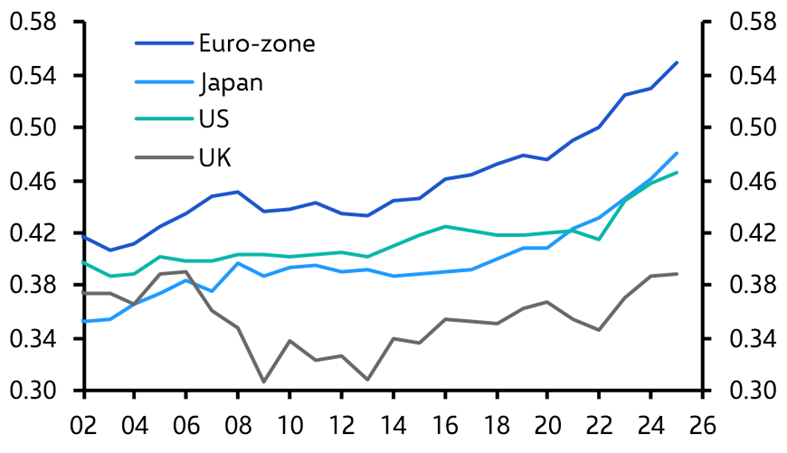
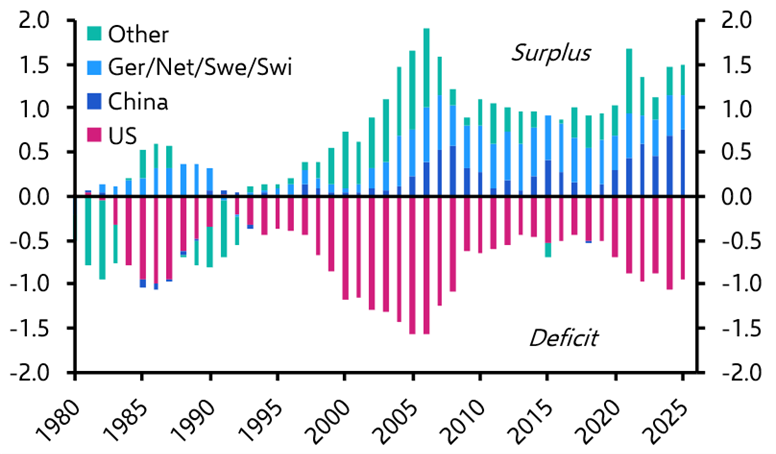
Chief Economist's Note Global imbalances: Back in focus, but in a different world While financial markets have swung on the apparent de-escalation and re-escalation of the Iran war, the bigger structural story is quietly reasserting itself: global imbalances are back, and were a... 21st April 2026
Chief Economist's Note The Iran rift and the Atlantic reality – why its allies remain tied to the US One certainty of the Iran war is that its consequences will reverberate far beyond the regional conflict. A question that repeatedly comes up in conversations with clients surrounds the geopolitical... 16th April 2026
Chief Economist's Note Talks end without deal; US announces naval blockade The breakdown in talks between the US and Iran does not necessarily signal the end of efforts to resolve the conflict but the introduction of a US naval blockade on Iranian shipments transiting the... 13th April 2026