Chief Economist's Note Group Chief Economist Neil Shearing gives his weekly take on the big issues in the global economy and highlights key analysis and events from Capital Economics Chief Economist's Note The Inflation Outlook and the Bond Market Sell-Off Two themes have dominated markets over the past few weeks: the sustainability of the AI investment boom, particularly the debt financing behind it, and the sell-off in bond markets, which at one point... 19th October 2026 Chief Economist's Note China Shock 2.0: Key Messages This note summarises the key conclusions from our recent series on China Shock 2.0. The ongoing shock is not simply a repeat of the original China shock of the 2000s. China is once again increasing... 13th October 2026 Chief Economist's Note Introducing China Economic Scenarios, powered by Fathom Consulting Capital Economics is delighted to announce a new partnership with Fathom Consulting to produce a China Economic Scenarios service. The service brings together Capital Economics’ best-in-class research... 9th October 2026 Chief Economist's Note The Changing Story Behind Higher Bond Yields Major moves in financial markets tend to send investors in search of a single narrative to explain them. But the rise in bond yields over the past few months has no such single explanation. Indeed... 5th October 2026 Chief Economist's Note The economics of AI regulation meet the realities of geopolitical rivalry Perhaps the most striking takeaway from the Trump-Xi summit in Washington last week is just how low expectations have fallen on both sides. One of the few concrete outcomes was the news that both... 28th September 2026 Chief Economist's Note China Shock 2.0 will add to focus on economic resilience This report is part of our new series on China Shock 2.0. Explore the series and follow the latest publications on this dedicated page . A key difference between the first China Shock in the mid-2000s... 21st September 2026 Chief Economist's Note Supply shocks and the bond market feedback loop The rise in the price of oil to over $100 per barrel is the last thing central banks across the advanced economies want to see. The European Central Bank met last week and raised interest rates by 25... 14th September 2026 Chief Economist's Note China Shock 2.0: Introducing our new series on the global economy China’s dominance of large swathes of global manufacturing will be one of the defining forces shaping the world economy over the coming decade. Over the next few weeks, Capital Economics will publish... 8th September 2026 Chief Economist's Note The bond market isn’t panicking – it’s repricing for a riskier world Global government bond markets have come under renewed pressure in recent weeks, with yields on thirty-year bonds touching their highest levels since 2007 in several major economies. This is not yet a... 24th August 2026 Chief Economist's Note This time has been different: How Europe weathered this energy shock At the start of the Iran war in February there was a natural tendency to look to the last global energy shock, which followed Russia’s invasion of Ukraine in 2022, for a blueprint for what might... 17th August 2026 Chief Economist's Note The weak yen's lesson for policymakers far beyond Japan The cacophony surrounding a recent US-Japan intervention to shore up the yen has focused largely on what it says about the international monetary system. Less attention has been paid to the domestic... 10th August 2026 Chief Economist's Note Warsh shows why quality trumps quantity in central bank communications If last week’s press appearance was meant to be a demonstration of Kevin Warsh’s intent on scaling back the Federal Reserve’s communications and the role of policymakers in shaping market expectations... 3rd August 2026 Chief Economist's Note Central banks on pause for now but policy divergence is coming The Iran war has presented central banks with a familiar problem. Higher oil prices amount to a classic stagflationary supply shock: they push inflation up while weighing on growth, particularly in... 27th July 2026 Chief Economist's Note AI now a key driver of growth in both the US and China Last week saw a flurry of macro developments including the renewed closure of the Strait of Hormuz, a series of speeches from Fed officials and the first signs of the UK government’s new economic team... 20th July 2026 Chief Economist's Note Thinking through central banks’ next moves Thinking through central banks’ next moves Meetings of the world’s major central banks over the past two weeks have produced a range of responses to the inflation shock brought on by the conflict in... 22nd June 2026 Chief Economist's Note A fragile deal – but one that reduces the risk of adverse scenarios It remains to be seen whether the deal with Iran announced Sunday by President Trump represents a fragile truce or a durable settlement, but it nonetheless reduces the risk of more adverse macro and... 15th June 2026
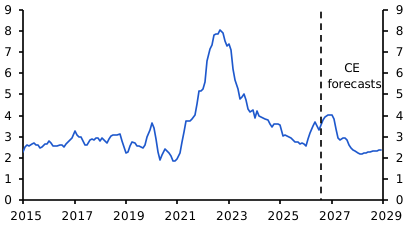
Chief Economist's Note The Inflation Outlook and the Bond Market Sell-Off Two themes have dominated markets over the past few weeks: the sustainability of the AI investment boom, particularly the debt financing behind it, and the sell-off in bond markets, which at one point... 19th October 2026
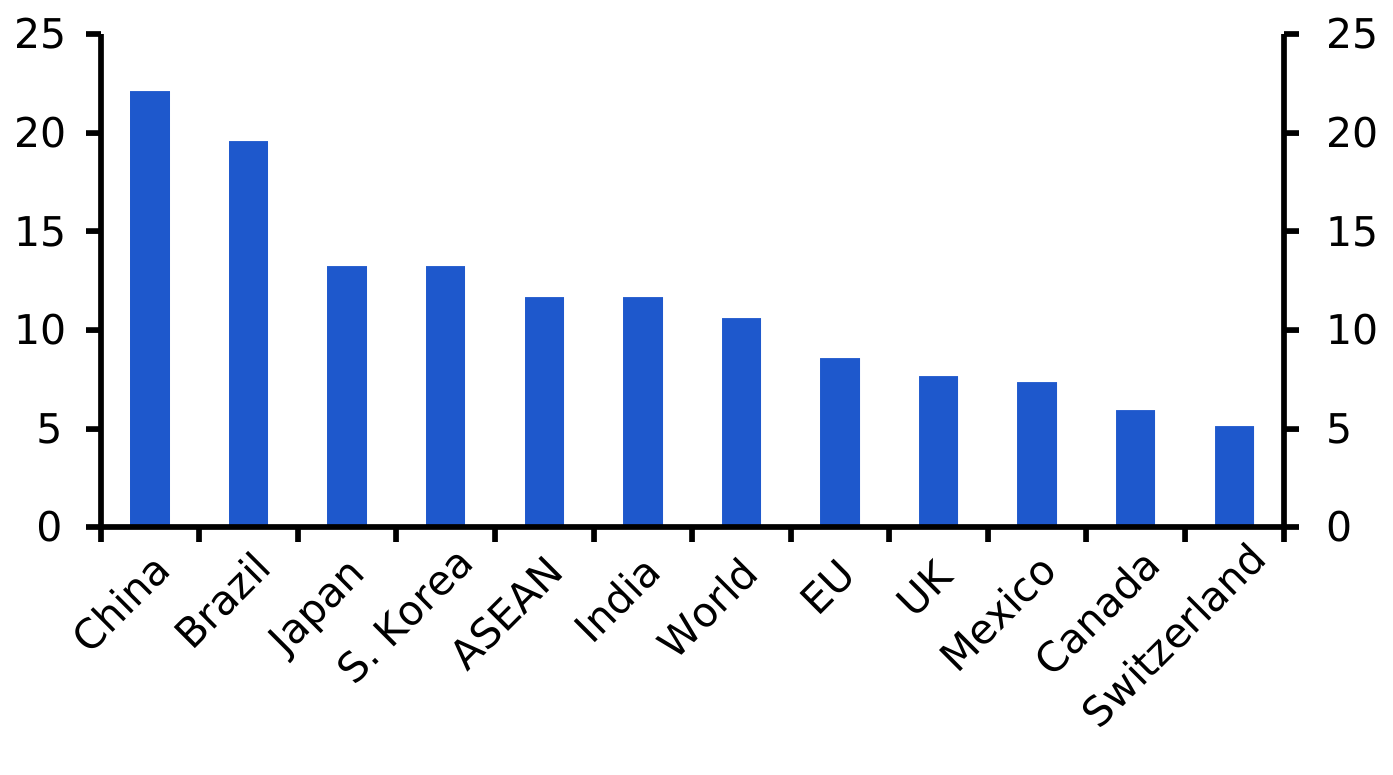
Chief Economist's Note China Shock 2.0: Key Messages This note summarises the key conclusions from our recent series on China Shock 2.0. The ongoing shock is not simply a repeat of the original China shock of the 2000s. China is once again increasing... 13th October 2026
Chief Economist's Note Introducing China Economic Scenarios, powered by Fathom Consulting Capital Economics is delighted to announce a new partnership with Fathom Consulting to produce a China Economic Scenarios service. The service brings together Capital Economics’ best-in-class research... 9th October 2026
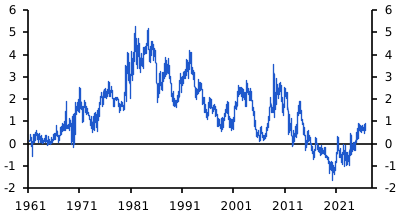
Chief Economist's Note The Changing Story Behind Higher Bond Yields Major moves in financial markets tend to send investors in search of a single narrative to explain them. But the rise in bond yields over the past few months has no such single explanation. Indeed... 5th October 2026
Chief Economist's Note The economics of AI regulation meet the realities of geopolitical rivalry Perhaps the most striking takeaway from the Trump-Xi summit in Washington last week is just how low expectations have fallen on both sides. One of the few concrete outcomes was the news that both... 28th September 2026
Chief Economist's Note China Shock 2.0 will add to focus on economic resilience This report is part of our new series on China Shock 2.0. Explore the series and follow the latest publications on this dedicated page . A key difference between the first China Shock in the mid-2000s... 21st September 2026
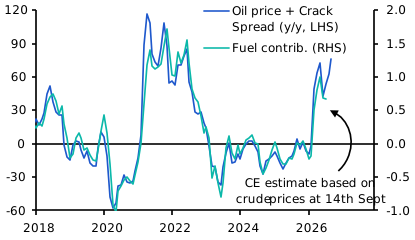
Chief Economist's Note Supply shocks and the bond market feedback loop The rise in the price of oil to over $100 per barrel is the last thing central banks across the advanced economies want to see. The European Central Bank met last week and raised interest rates by 25... 14th September 2026
Chief Economist's Note China Shock 2.0: Introducing our new series on the global economy China’s dominance of large swathes of global manufacturing will be one of the defining forces shaping the world economy over the coming decade. Over the next few weeks, Capital Economics will publish... 8th September 2026
Chief Economist's Note The bond market isn’t panicking – it’s repricing for a riskier world Global government bond markets have come under renewed pressure in recent weeks, with yields on thirty-year bonds touching their highest levels since 2007 in several major economies. This is not yet a... 24th August 2026
Chief Economist's Note This time has been different: How Europe weathered this energy shock At the start of the Iran war in February there was a natural tendency to look to the last global energy shock, which followed Russia’s invasion of Ukraine in 2022, for a blueprint for what might... 17th August 2026
Chief Economist's Note The weak yen's lesson for policymakers far beyond Japan The cacophony surrounding a recent US-Japan intervention to shore up the yen has focused largely on what it says about the international monetary system. Less attention has been paid to the domestic... 10th August 2026
Chief Economist's Note Warsh shows why quality trumps quantity in central bank communications If last week’s press appearance was meant to be a demonstration of Kevin Warsh’s intent on scaling back the Federal Reserve’s communications and the role of policymakers in shaping market expectations... 3rd August 2026
Chief Economist's Note Central banks on pause for now but policy divergence is coming The Iran war has presented central banks with a familiar problem. Higher oil prices amount to a classic stagflationary supply shock: they push inflation up while weighing on growth, particularly in... 27th July 2026
Chief Economist's Note AI now a key driver of growth in both the US and China Last week saw a flurry of macro developments including the renewed closure of the Strait of Hormuz, a series of speeches from Fed officials and the first signs of the UK government’s new economic team... 20th July 2026
Chief Economist's Note Thinking through central banks’ next moves Thinking through central banks’ next moves Meetings of the world’s major central banks over the past two weeks have produced a range of responses to the inflation shock brought on by the conflict in... 22nd June 2026
Chief Economist's Note A fragile deal – but one that reduces the risk of adverse scenarios It remains to be seen whether the deal with Iran announced Sunday by President Trump represents a fragile truce or a durable settlement, but it nonetheless reduces the risk of more adverse macro and... 15th June 2026