
We’re continuing to support client decision-making during the Middle East conflict with comprehensive but concise analysis and daily online briefings. All of our key analysis on this crisis can be found here. Below are some highlights from our coverage on Monday, 9th March.
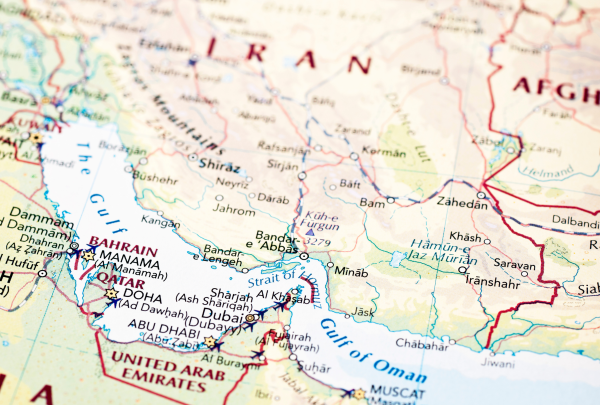
- The growth and inflation implications of this conflict – and therefore the central bank response– will depend on its duration and the extent of damage to energy infrastructure. To help clients navigate the uncertainty, we lay out three conflict scenarios showing how outcomes could diverge across developed and emerging markets.
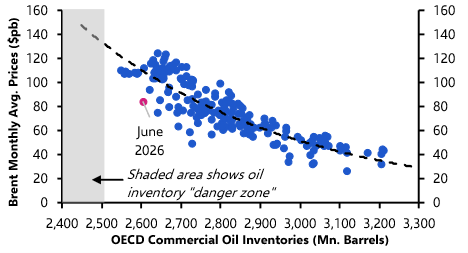
- As part of our scenario planning exercise, our Commodities team outlined three pathways for this war to estimate potential losses of oil and gas supply, ranging from about 1.4% of annual exports in a short conflict to a disruption approaching the scale of the late-1970s crises.
- Our daily online briefings include today’s session on the macro implications of surging energy prices and a briefing on Tuesday all about what this crisis means for the outlook for the Gulf economies. These deliberately short sessions are designed to save clients time and equip them with the insights needed to make effective decisions.
- From the outperformance of US and Chinese equities to the underperformance of gilts, here are some notable market trends emerging as this crisis unfolds, and an assessment of whether they are likely to persist.
- It was no great surprise that Pakistan’s central bank opted to hold rates today. But policymakers face an acute dilemma: balancing the growth impact of surging energy prices – around 40% of the country’s energy is imported – against a backdrop of already rising inflation and a fragile external position.