

It remains to be seen whether the deal with Iran announced Sunday by President Trump represents a fragile truce or a durable settlement, but it nonetheless reduces the risk of more adverse macro and market scenarios developing in the coming months. This note provides an instant reaction, with more detailed analysis to follow over the coming days.
All eyes on the Strait
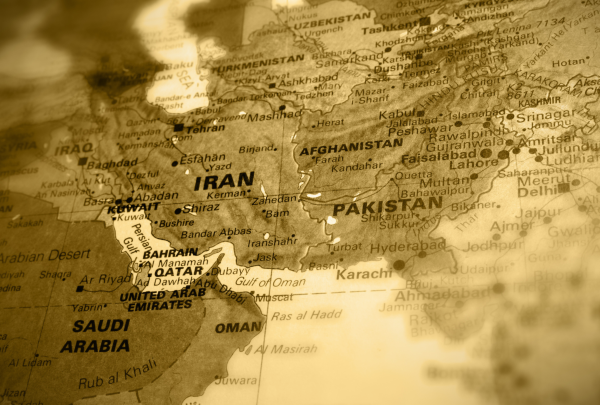
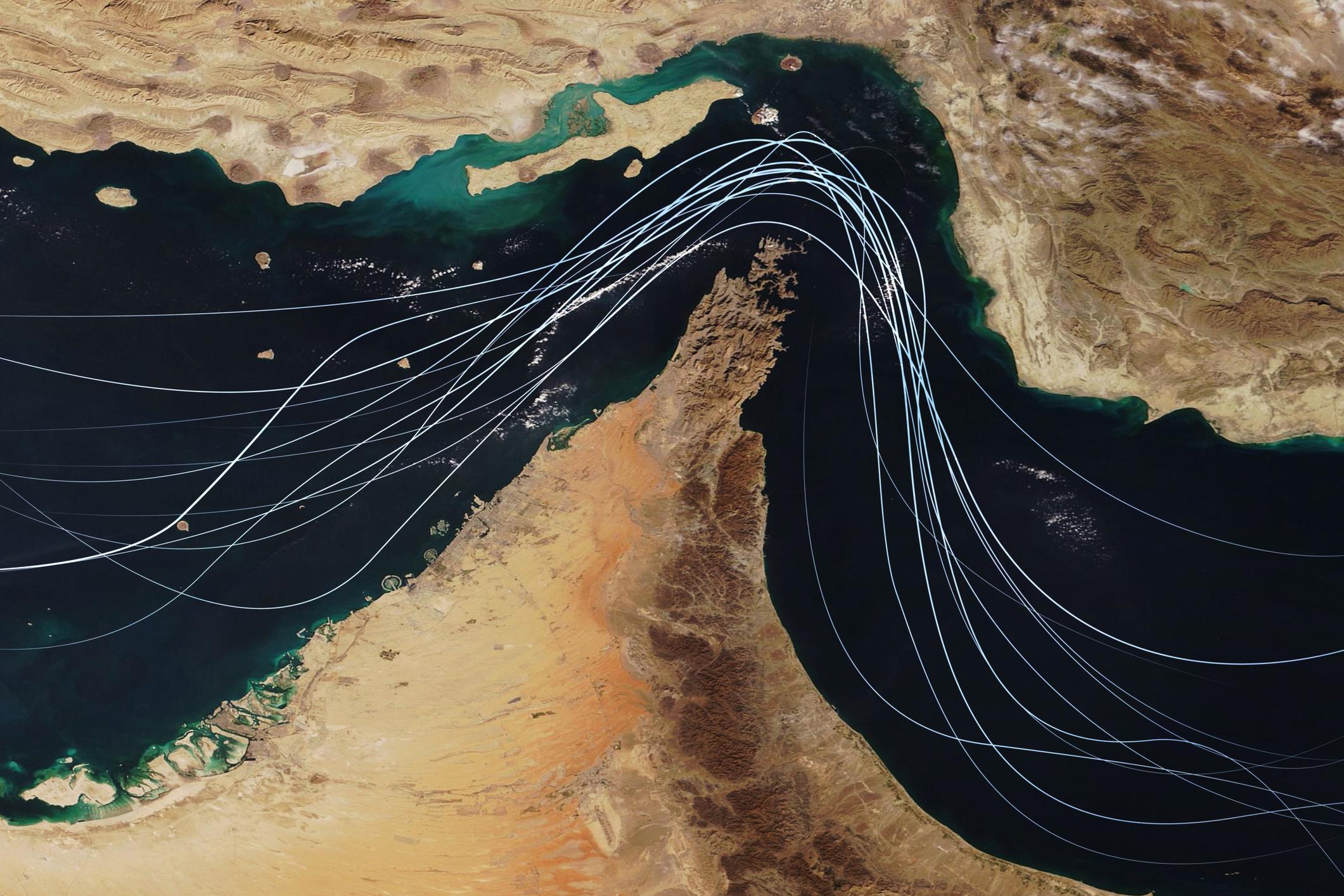
The key question from the perspective of the global economy is whether the agreement succeeds in restoring energy flows through the Strait of Hormuz. Prior to the conflict, around 25% of global seaborne oil supply and one-fifth of seaborne natural gas passed through the Strait. While some shipments have been rerouted – most notably via the East-West pipeline in Saudi Arabia – the past couple of weeks has brought mounting evidence that higher energy prices are pushing up inflation and weighing on economic activity.
It is likely that it will take some time for oil flows through the Strait to return to pre-war levels. Even if ships now have safe passage, tankers are in the wrong place, oil production/refining facilities need to get up to full capacity, and questions over the cost and availability of insurance for ships traversing the Strait will remain. Our current working assumption is that ~80% of energy flows will resume by the end of Q3. Natural gas flows will be slower to return, following the damage to Qatari facilities earlier in the conflict, which according to local officials has put 17% of production offline for two to three years.
Even if the deal reopens the Strait immediately, it will not prevent inflation from rising a bit further in the near term, nor will it avoid some economic damage during Q3. But the outlook beyond the next few months would improve materially. Rather than a recession, the global economy will probably face a period of below-trend growth in Q3, before world GDP growth recovers to its pre-conflict pace of just over 3% in late 2026 and into 2027. (The Gulf states are a key exception – the hit to their economies so far will lead to the largest downturn in GDP since the 1980s.)
Central banks under less pressure to raise rates
The deal will reduce the immediate pressure on central banks to raise interest rates. We had always expected the Fed and the Bank of England to leave interest rates on hold this week – rather than following in the footsteps of the ECB, which last week tightened policy – but that now looks a near-certainty. In EMs, a rate hike that we had anticipated this week in Indonesia may now not happen and the Czech central bank will probably be more inclined to hold too. The outlook will nonetheless remain a difficult one for central banks to navigate, with inflation set to stay above target in most major economies throughout this year and the first half of next, even as growth remains relatively weak. And while there are important differences with the energy shock in 2022, policymakers will not want to make the same mistake as then, when they were widely criticised for keeping policy too loose for too long.
Against this backdrop, some further modest “insurance hikes” remain possible – although these are more likely to come from the ECB than the Bank of England. It is also still possible that the Fed hikes rates later this year, although that would be partly a response to conditions specific to the US economy, not least a tighter labour market. Crucially, however, it is likely that once energy-driven inflation begins to fade next year, rate hikes will be unwound. Market pricing has been volatile, but at the time of writing the expected path of interest rates across DMs in 2027-28 still looks too high.
Energy markets still in a precarious balance
One important point to stress is that the situation in energy markets remains precarious and will not improve until the flow of energy recovers towards pre-war norms. While oil (and natural gas) prices have not increased by as much as some had feared at the start of the war, this has been due in part to a large drawdown in inventories in major advanced economies and China. Indeed, the available data from OECD countries suggests that the current pace of drawdown would leave commercial oil stocks in OECD countries at critically low levels by the end of July – and levels that have previously been consistent with prices in the range of $130-150pb.
The macroeconomic consequences in such a scenario would be severe. Europe would probably slip into a mild recession, growth across Asia would weaken sharply and inflation in advanced economies would move back above 5%. In those circumstances, central banks would find it increasingly difficult to look through the inflation shock. Further tightening would become much more likely, exacerbating the economic downturn.
Accordingly, a lot continues to hinge on the deal holding and the Strait reopening. The risks of more adverse scenarios developing have diminished significantly, but they have not disappeared altogether.
Related Content
Kevin Warsh’s debut as Fed Chair is the policy event of the week. Our Fed Watch explains the rationale for the FOMC to hold, but also shows how it was turning more hawkish ahead of the Iran deal. Chief North America Economist Stephen Brown previewed the Warsh era in our latest podcast episode (Apple or Spotify).
A Bank of Japan rate hike this week is baked in, and strengthening inflation pressures could accelerate the pace of tightening beyond the June meeting. Read our June meeting preview and join our Japan team for an online Drop-In briefing on Tuesday.