

There are significant hurdles to overcome before the ceasefire agreement between the US, Israel and Iran can translate into a lasting end to the war. But if it were to hold, it would move outcomes closer to those envisaged in our “baseline” forecast. In that scenario, oil prices decline but still end the year at $80pb, headline inflation rises to around 3-4% y/y in the US and Europe and, while GDP growth slows in most major economies, the overall economic damage outside of the region remains limited.
In a Truth Social post late last night, President Trump announced a two-week ceasefire with Iran. Iranian leaders subsequently confirmed the ceasefire, stating that the US had accepted Tehran’s 10-point framework as “workable basis on which to negotiate”. Talks are reportedly set to begin in Islamabad on Friday.
The plan itself - while apparently accepted by Washington as a starting point - contains several provisions that are likely to prove difficult for both sides. These include acceptance of Iran’s continued uranium enrichment, a demand that US/Western sanctions on the country be lifted, and the withdrawal of US forces from all bases in the region. It is difficult to see these points being agreed to in full. Some compromise will be required and, without it, there’s a good chance the agreement will fall apart and the conflict resumes.
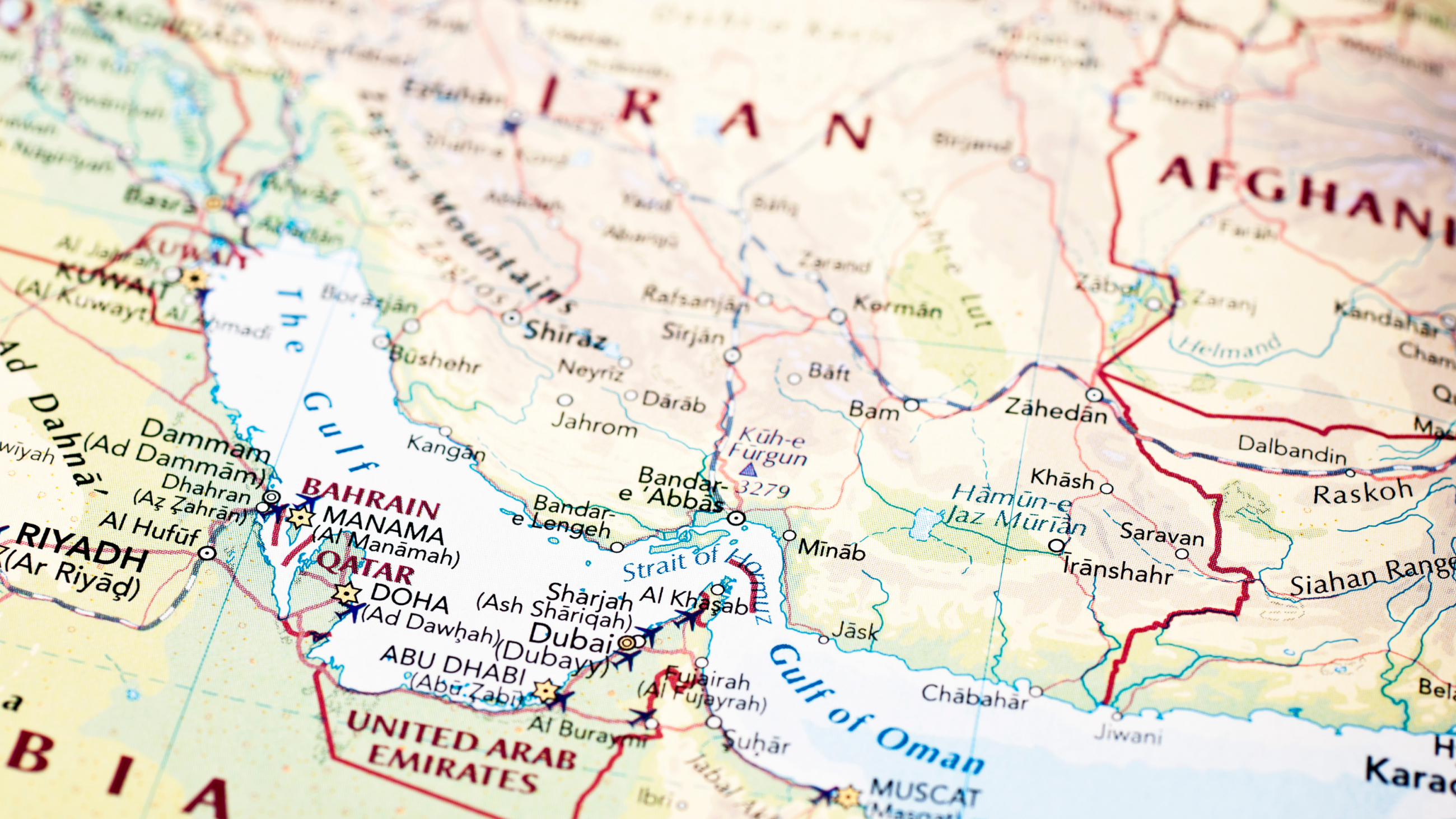
For markets, the most critical issue remains the status of the Strait of Hormuz. The framework appears to allow the full passage of oil tankers through the Strait, but the terms under which this would occur remain unclear. Some reports suggest the introduction of transit fees of around $1–2m per tanker.
Given that tankers typically carry 1–2 million barrels of crude, such fees would add roughly $1 per barrel to the cost of oil transported through the Strait. This would therefore have only a modest impact on global energy prices though, in practice, it could amount to a de facto partial nationalisation of the shipping route.
If these issues can be resolved and a deal is reached, it would bring developments closer to our baseline scenario, which assumes the conflict de-escalates by the end of this month and energy flows through the Strait resume along the same timeframe.
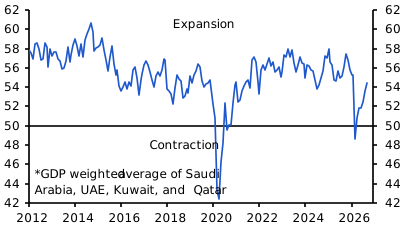
Even in that scenario, however, there would still be some economic damage. The impact would be most severe in the region itself, where we estimate that GDP could contract by around 10% in the countries most directly affected. The long-lasting damage to LNG facilities in Qatar means it could be disproportionately affected.
Meanwhile, although oil and natural gas prices have fallen sharply today, they are likely to remain elevated relative to earlier in the year. In our baseline forecast, Brent crude averages around $95 per barrel in Q2 before easing towards $80 by Q4.
Inflation in the major advanced economies also has further to rise. We expect it to peak at around 4.5% in the UK and between 3.5% and 4% in the US and the euro-zone. US inflation data due later this week will provide an early indication of how quickly those pressures are building.
Finally, the rate hikes currently priced into markets may prove excessive. If energy prices stabilise and growth holds up better than feared, central banks are unlikely to deliver the tightening now priced into markets, which in turn would pull down yields at the front end of the curve. Equity markets are likely to ebb and flow according to developments in the talks over the next couple of weeks but in our baseline scenario a recovery in risk appetite pushes the S&P 500 above 7,000 by the middle of the year.
We will be online to answer client questions at 11.30am BST. Invites will be emailed shortly.