
This Weekly Roundup highlights the potential challengers to Keir Starmer and their market implications, rising risks to Italian stability, a key election victory in India, Chinese green tech exports and more.
1.
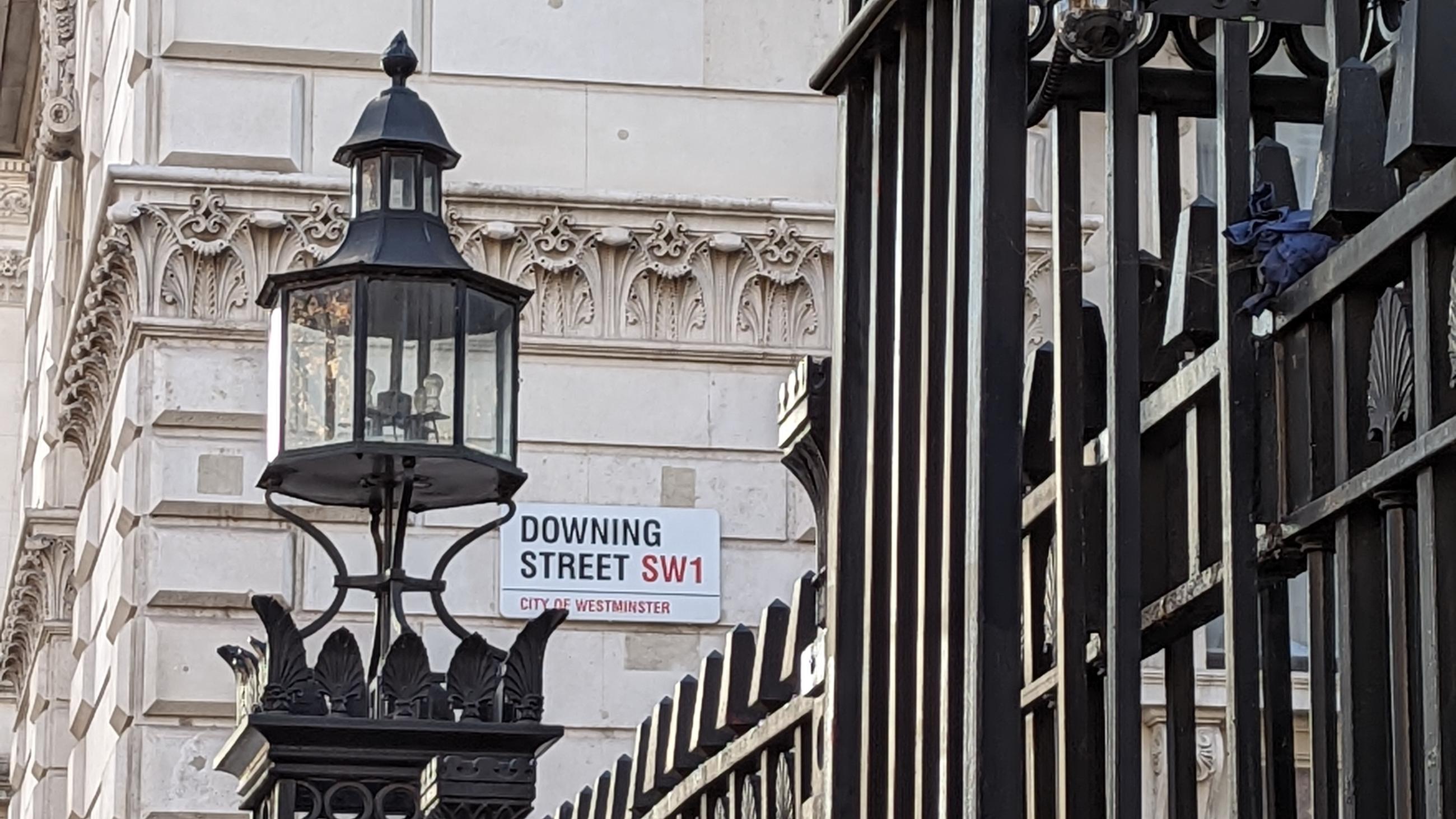
Speculation is mounting that Keir Starmer will not survive Labour's grim local election results. All of his likely successors would pursue some degree of looser fiscal policy, putting upward pressure on gilt yields and downward pressure on sterling, though the scale of any market reaction would depend on who wins out. What is clear is that none of them would do much to address the UK's underlying economic problems.
2.
If it survives until 4th September, Giorgia Meloni’s will become Italy’s longest-serving post-war government. But while political and fiscal risks have remained contained in recent years, they are rising again as higher energy prices widen the deficit and Meloni’s popularity softens ahead of next year’s election. Our baseline forecast is for ongoing fiscal and political stability, but there’s now a non-negligible risk of worsening outcomes.
3.
Although global equities are now trading above their pre-conflict levels, a full resumption of energy flows through the Strait of Hormuz could give the rally a further boost, particularly as enthusiasm around AI shows little sign of fading. John Higgins explores the next phase of the tech boom – including why we may soon nudge back up our year-end forecast for the S&P 500.
4.
For several years we’ve tracked shipments from China’s “new three industries”, an export surge drawing intensifying scrutiny amid disruption to global hydrocarbon supplies. See our proprietary tracker dashboard and latest analysis ahead of our 12th May online Drop-In on the global implications of China’s green exports.
5.
Narendra Modi's BJP has weathered the energy shock at the Indian ballot box, with a landmark first-ever victory in West Bengal in state assembly elections. The party now controls 21 of India’s 36 states and territories, bolstering its position in the Rajya Sabha, the upper house, and making the passage of contentious economic reforms incrementally easier in the years ahead.