The Iran conflict is approaching its third month, the Strait of Hormuz remains closed and oil is back above $100 per barrel. How safe is the assumption that this will all be resolved soon, and what happens to commodity prices, growth and inflation if it isn’t?
In the latest episode of The Weekly Briefing, Chief Global Economist Jennifer McKeown and Chief Climate & Commodities Economist David Oxley join David Wilder to unpack the macro and market assumptions behind our ‘adverse’ conflict scenario. They discuss how far commodity prices could rise and whether that risks tipping the global economy into recession – but also why some of the latest data suggest the initial macro hit from the energy shock may not have been as severe as first feared.
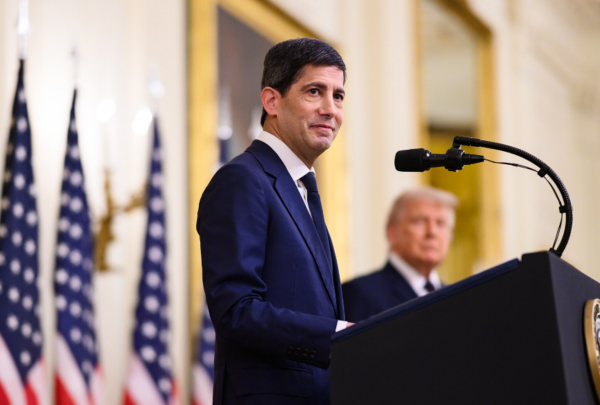
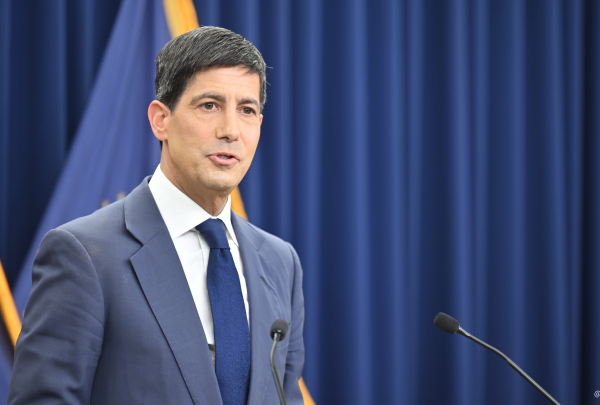
Also on the show, the upcoming Federal Reserve meeting could mark Jerome Powell’s final one as Chair. With Kevin Warsh waiting in the wings, Chief North America Economist Stephen Brown considers Powell’s legacy, but also the policy implications of a change in Fed leadership. That includes why Warsh could push for a different inflation gauge to target, but also why tensions with the White House may not go away.
Related content
Read: Powell’s departure upstaged as Warsh readies Fed revamp
/publications/us-fed-watch/powells-departure-upstaged-warsh-readies-fed-revamp
Drop-In: The Fed, ECB and Bank of England – Signals from the April meetings
/events/drop-fed-ecb-and-bank-england-signals-april-meetings
Iran conflict: Global macro and market implications
/key-issues/iran-conflict