
This Weekly Roundup covers the uncertainties around the Middle East ceasefire, more on private credit stress, China’s green tech advantage, Hungary’s big electoral moment and more.
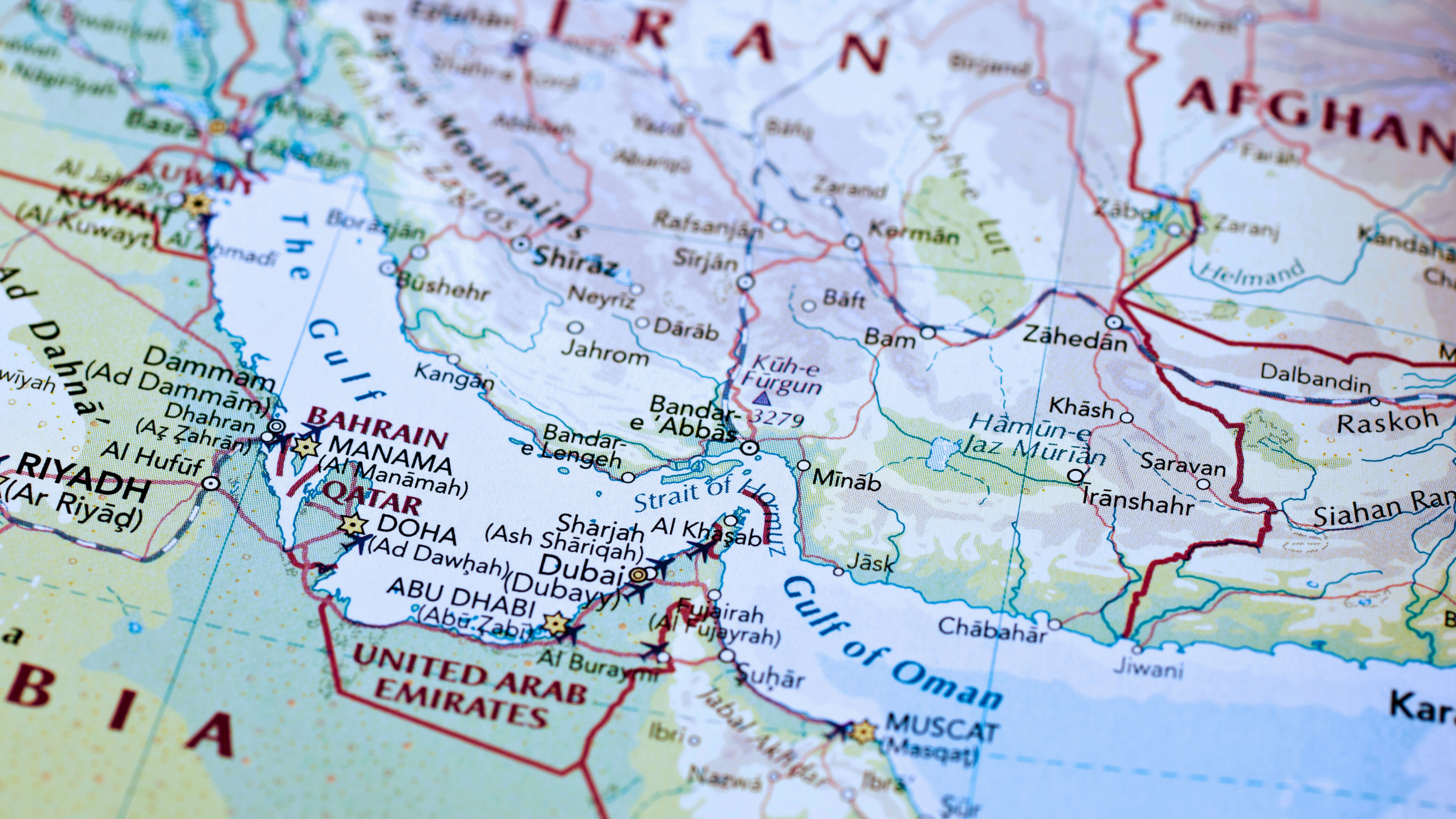
1. The end of US–Iran talks in Islamabad likely does not mark the end of efforts to resolve the Middle East conflict. However, the prospect of a US blockade of traffic through the Strait of Hormuz makes the macro and market outcomes in our “adverse” conflict scenario more likely. Tuesday's Asia Drop-In will assess the impact on the region most exposed to higher energy prices.
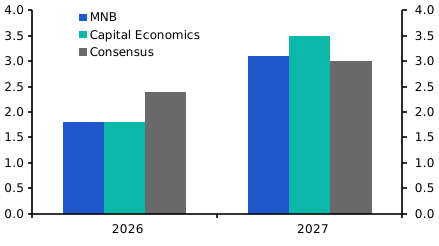
2. The Tisza party’s decisive victory in Hungary’s weekend elections signals a potential turning point for both the country’s economic trajectory and its relationship with Europe. In our Monday Drop-In briefing on the election’s implications, our team addressed a wide range of client questions, spanning prospects for institutional reform, the outlook for Hungarian bond spreads, and potential implications for the war in Ukraine.
3. Private credit stresses may be building, based on what’s happening to listed Business Development Companies in the US. Spillovers to broader financing markets appear limited and systemic risks look low, but this could still signal tighter funding for SMEs. Explore the new private credit section of our Financial Stress Monitor for interactive charts and analysis.
4. Republicans are likely to use their only reconciliation bill this year for limited ICE and Iran defence funding, implying no meaningful pre-midterm giveaways. Larger defence increases requested by President Trump would likely be deferred until after the elections, when a loss of Republican House control could make passage harder.
5. Not only is China relatively insulated from the fallout of the Middle East conflict, but its factories are still churning out solar cells, electric vehicles and batteries at scale. That puts it in a strong position to benefit from any shift towards clean energy that comes with this latest reminder of the risks around geopolitically exposed fuels.
6. China’s mass production of green tech in part reflects deep economic imbalances that Beijing is showing little urgency to fix. The latest Five-Year Plan nods to boosting domestic demand and consumption, including higher spending on social services, but not much more than that. Our China team’s deep dive into the Plan has much more on policy rhetoric versus economic reality in the coming half decade.